MDHNE(Master Diploma in Hardware & Networking Engineering) Course

Master Diploma Hardware Network Engineer (MDHNE) is a professional course designed to build strong skills in computer hardware, networking, and system troubleshooting. It covers PC assembly, operating system installation, network configuration, and basic cybersecurity concepts. Students gain practical knowledge to manage and maintain IT infrastructure efficiently. This course prepares learners for careers such as Hardware Engineer, Network Engineer, and IT Support Specialist.

thumb

MDHNE – Master Diploma in Hardware & Networking Engineering

The MDHNE (Master Diploma in Hardware & Networking Engineering) course is designed to provide comprehensive knowledge of computer hardware, networking technologies, system administration, and IT infrastructure management. This program equips students with practical skills required to install, configure, troubleshoot, and maintain computer systems and networks in real-world environments. This course is ideal for beginners, IT enthusiasts, and aspiring network engineers who want to build a strong foundation in hardware and networking technologies. Through hands-on training and practical labs, learners gain experience working with computers, servers, routers, switches, and network security systems.

  • Introduction to Computer Hardware
  • PC Assembling & Disassembling
  • Motherboard, CPU, RAM & Storage Devices
  • BIOS & System Configuration
  • Operating System Installation (Windows & Linux basics)

The MDHNE program covers essential topics such as PC hardware assembling, operating system installation, network configuration, server management, cybersecurity basics, and troubleshooting techniques. Students will also learn about LAN, WAN, IP addressing, routing, switching, and network security. By the end of this course, students will have the technical expertise required to work as hardware technicians, network administrators, IT support engineers, and system engineers in IT companies, organizations, and service centers.

What will I learn?

  • Assemble and repair computer hardware
  • Install and configure operating systems
  • Build and manage computer networks
  • Configure routers, switches, and wireless networks
  • Troubleshoot hardware and networking problems

Requirements

  • Basic knowledge of computers
  • Interest in IT hardware and networking
  • Laptop or desktop for practice (recommended)
  • No prior networking experience required
  • Willingness to learn practical technical skills

MDHNE – Master Diploma in Hardware and Network Engineering

CompTIA A+
  • Introduction to IT Fundamentals
  • PC Hardware
  • Networking
  • Mobile Devices
  • Operating Systems
  • Security
  • Software Troubleshooting
  • Operational Procedures
  • Hardware and Network Troubleshooting
  • Virtualization and Cloud Computing
  • Check Physical Connections
  • Access BIOS/UEFI Settings
  • Boot Order Configuration
  • Diagnostic Tools
  • External Boot Media
  • Check for Operating System Issues
  • Replace Hard Drive
CompTIA N+
  • Networking Concepts
  • Infrastructure
  • The physical and virtual components needed for network connectivity
  • Network Devices
  • Network Operations
  • How networks are monitored, managed, and maintained
  • Network Troubleshooting and Tools
  • Identifying and resolving network issues
  • Tools
  • Routing and Switching
  • Switching Concepts
  • Routing Concepts
  • Wireless Networking
  • Wireless technologies and configurations
  • Security
  • IPv4 and IPv6 Addressing
  • Wide Area Networks (WANs)
  • WAN Technologies
CCNA (200-301)
  • Network Fundamentals
  • Network Access
  • IP Connectivity
  • IP Services
  • Security Fundamentals
  • Automation and Programmability
RHCSA-Red Hat Certified System Administrator (choose any one )
  • Get started with Red Hat Enterprise Linux
  • Access the command line
  • Manage files from the command line
  • Get help in Red Hat Enterprise Linux
  • Create, view, and edit text files
  • Manage local users and groups
  • Control access to files
  • Monitor and manage Linux processes
  • Control services and daemons
  • Configure and secure SSH
  • Analyze and store logs
  • Manage networking
  • Archive and transfer files
  • Install and update software
  • Access Linux files systems
  • Linux Containers and Docker
  • Analyze servers and get support
  • Schedule future tasks
  • Improve command line productivity
  • Tune system performance
  • Control access to files with ACLs
  • Manage SELinux security
  • Maintain basic storage
  • Manage logical volumes
  • Implement advanced storage features
  • Access network-attached storage
  • Control the boot process
  • Manage network security
  • Install Red Hat Enterprise Linux
RHCE-Red Hat Certified Engineer (choose any one )
  • Entering the command line
  • Managing files from the command line
  • Getting Help on Red Hat Enterprise Linux
  • Creating, Viewing, and Editing Text Files
  • Manage Local Linux Users and Groups
  • The Linux file system restricts access to files with permissions
  • Monitor and manage Linux processes
  • Services and daemons are managed
  • Configures and Secures the Open-ssh Service
  • Analyzing and storing logs
  • Managing RHEL networking
  • Collects and copies files between systems
  • Installs and updates software packages
  • Accessing Linux File Systems
  • Using virtualized systems
  • Entering the command line
AWS Certified Cloud Practitioner (CLF-C02) (choose any one )
  • Cloud Concepts
  • Define the benefits of the AWS Cloud
  • Identify design principles of the AWS Cloud
  • Understand the benefits of and strategies for migration to the AWS Cloud
  • Understand concepts of cloud economics
  • Security and Compliance
  • Understand the AWS shared responsibility model
  • Understand AWS Cloud security, governance, and compliance concepts
  • Identify AWS access management capabilities
  • Identify components and resources for security
  • Cloud Technology and Services
  • Define methods of deploying and operating in the AWS Cloud
  • Define the AWS global infrastructure
  • Identify AWS compute services
  • Identify AWS database services
  • Identify AWS network services
  • Identify AWS storage services
  • Identify AWS artificial intelligence and machine learning (AI/ML) services and analytics services
  • Identify services from other in-scope AWS service categories
  • Billing, Pricing, and Support
  • Compare AWS pricing models
  • Understand resources for billing, budget, and cost management
AWS Certified Solutions Architect - Associate (SAA-C03) (choose any one )
  • Design Secure Architectures
  • Design secure access to AWS resources
  • Design secure workloads and applications.
  • Determine appropriate data security controls.
  • Design Resilient Architectures
  • Design scalable and loosely coupled architectures.
  • Design highly available and/or fault-tolerant architectures
  • Design High-Performing Architectures
  • Determine high-performing and/or scalable storage solutions.
  • Design high-performing and elastic compute solutions.
  • Determine high-performing database solutions.
  • Determine high-performing and/or scalable network architectures
  • Determine high-performing data ingestion and transformation solutions.
  • Design Cost-Optimized Architectures
  • Design cost-optimized storage solutions.
  • Design cost-optimized compute solutions.
  • Design cost-optimized database solutions.
  • Design cost-optimized network architectures.
Ethical Hacking
  • Introduction to Ethical Hacking
  • Foot Printing and Reconnaissance
  • Scanning Networks
  • Enumeration
  • Vulnerability Analysis
  • System Hacking
  • Malware Threats
  • Sniffing
  • Social Engineering
  • Denial-of-Service
  • Session Hijacking
  • Evading IDS, Firewalls and Honeypots
  • Hacking Web Servers
  • Hacking Web Applications
  • SQL Injection
  • Hacking Wireless Networks
  • Hacking Mobile Platforms
  • IoT and OT Hacking
  • IoT and OT Hacking
  • Cloud Computing
  • Cryptography
Cybersecurity
  • Introduction to Cybersecurity
  • Cyber Threats and Attack Techniques
  • Security Principles and Best Practices
  • Network Security
  • Operating System Security
  • Cryptography
  • Web Security
  • Cloud Security
  • Incident Response and Disaster Recovery
  • Security Compliance and Governance
  • Security Awareness and Training
  • Sandbox with the Endpoint detection
  • IDS and IPS terminology
  • SIEM technology

Start Your Enrollment

We are variations of passages the have suffered.

Why Choose Us ?

Our MDHNE – Master Diploma in Hardware & Networking Engineering course is designed for students and IT beginners who want to build strong skills in computer hardware, networking, and system administration. We provide practical, hands-on training on computer assembling, troubleshooting, operating system installation, LAN/WAN networking, server management, and network security. The course follows an industry-oriented curriculum with easy, step-by-step learning methods. With expert trainers, real-time lab practice, and job-focused modules, you gain the confidence to install, maintain, and manage computer systems and networks professionally in the IT industry.

Diverse Career Opportunities in MDHNE: Exploring Network Engineering & IT Infrastructure Roles in India’s Technology Industry

In India, the MDHNE (Master Diploma in Hardware & Network Engineering) program opens doors to strong career opportunities in IT infrastructure, network administration, system support, cybersecurity operations, data center management, and cloud networking. Leading companies such as Cisco, Dell, HP, IBM, TCS, Infosys, Wipro, HCL, Airtel, Reliance Jio, and numerous managed IT service providers actively hire skilled hardware and network engineers to maintain and secure enterprise IT environments. MDHNE professionals are highly valued for their ability to assemble and troubleshoot computer hardware, configure routers and switches, manage LAN/WAN networks, maintain servers, implement network security, and support organizational IT operations. Their expertise ensures stable connectivity, efficient system performance, and secure communication across corporate networks. Salary packages vary based on technical expertise, certifications, and experience. In India, the average annual salary for an MDHNE-certified Hardware & Network Engineer ranges from 350,000 to 700,000 INR, while in the USA it typically ranges between $55,000 to $85,000 per year, reflecting consistent global demand and strong career growth opportunities in IT infrastructure and network

Get MDHNE – Master Diploma in Hardware & Networking Engineering Certification

Three easy steps will unlock your MDHNE Certification

  • Complete the online/offline MDHNE (Master Diploma in Hardware & Networking Engineering) Course along with all required assignments.
  • Successfully complete multiple industry-based hardware troubleshooting, networking setup, and server management projects.
  • Pass the MDHNE Certification Exam to earn your verified, industry-recognized certificate.

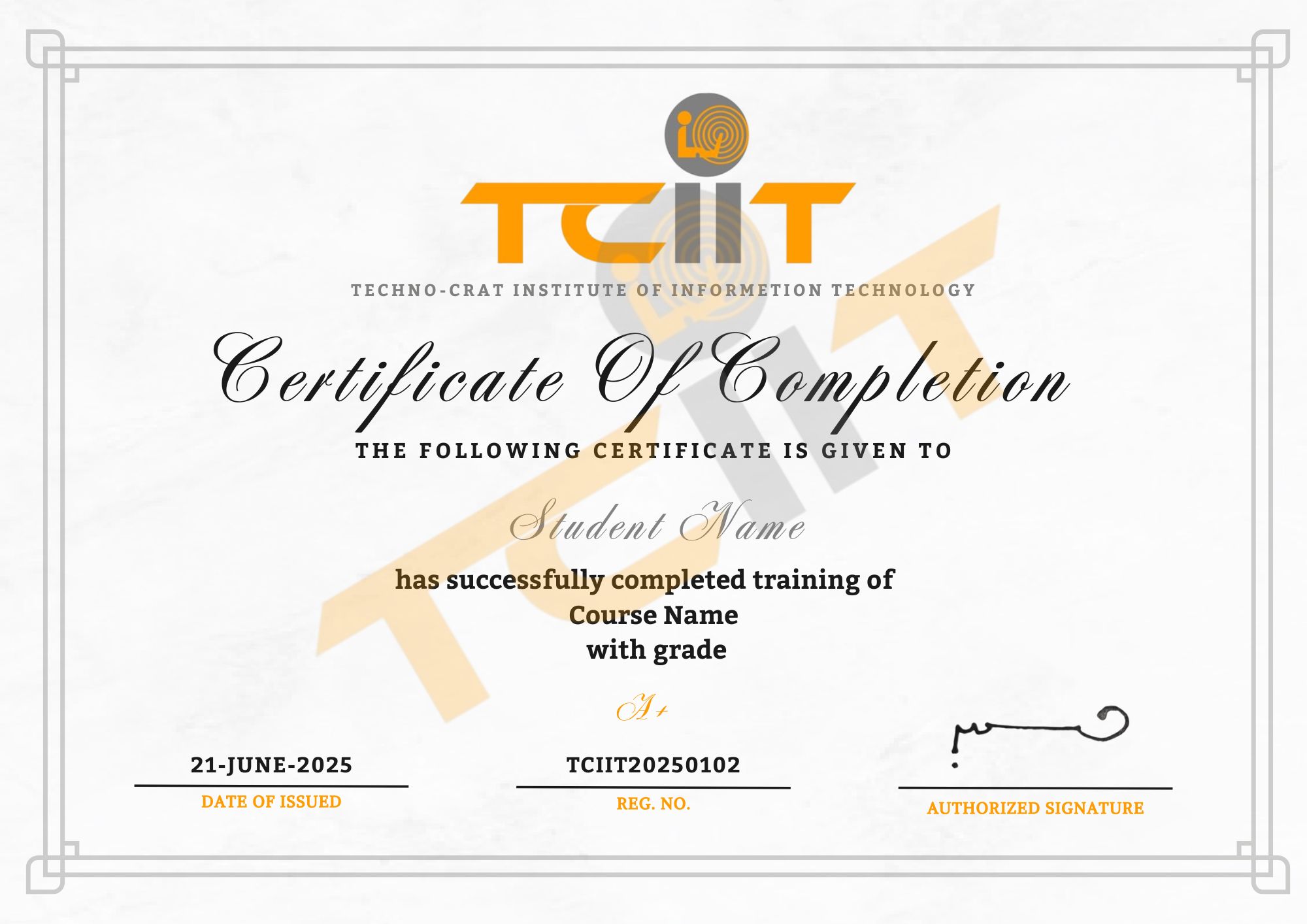
The certificate for this MDHNE course will be delivered through our learning management system (LMS). You can download it anytime and add the certificate link to your CV, resume, or LinkedIn profile to showcase your expertise in computer hardware, networking, and system administration.
thumb
whatsapp